FOR IMMEDIATE RELEASE
CHILDSAFE AND RTMC CALL FOR A NATIONAL CULTURE OF CARE AND BEHAVIOUR CHANGE AMONG ROAD USERS DURING THE EASTER HOLIDAY
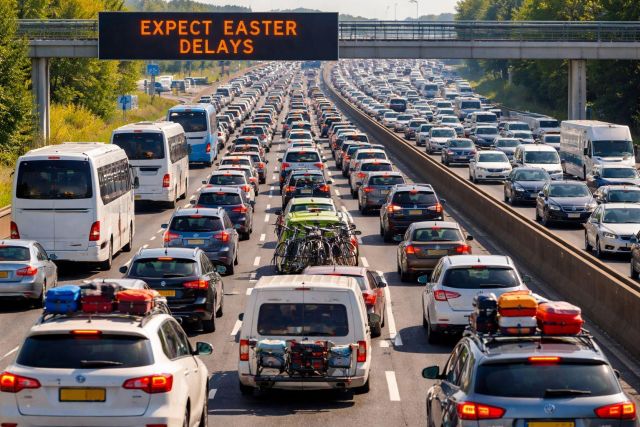
CAPE TOWN, South Africa – As schools across the Republic conclude the first term today, ChildSafe South Africa and the Road Traffic Management Corporation (RTMC) issue a formal appeal for heightened vigilance regarding road safety during the Easter travel period. With a significant increase in traffic volumes expected on national arterial routes starting this afternoon, both organisations emphasise that road safety must remain the primary focus for all road users to ensure the wellbeing of families and children travelling to holiday destinations.
Passenger Behaviour and Restraint Usage
Research into road trauma consistently highlights that the correct use of child restraints is the most effective intervention in road safety. ChildSafe and the RTMC urge parents to move beyond compliance and adopt safety as a non-negotiable behaviour. Children under the age of three must be secured in a certified, age-appropriate car seat, while older children must utilise seatbelts correctly, ensuring the strap is positioned across the chest and pelvis to mitigate the risk of injury during sudden deceleration. Furthermore, overloading remains a critical risk factor during holiday migration, and we advocate for the “one child, one seat” rule, where every child is entitled to their own seat and a functional restraint as a core pillar of road safety.
ChildSafe South Africa Executive Director, Zaitoon Rabaney, emphasises the gravity of this period, stating: “As our schools close and families begin their journeys, we must remember that road safety is a shared responsibility. We are calling on every parent and caregiver to be the primary protectors of our children. This is not just about following the law; it is about making the active choice to ensure that every child is properly restrained and that every vehicle is safe before it leaves the rank or the driveway.”
RTMC spokesperson Simon Zwane said about children between the age of five to 19 years constituted 7.2 percent of people who died on the roads during the Easter period in 2025. This makes imperative for caregivers and givers to recognised that they have to take extra efforts to instil the culture of safe road usage among children to protect their lives and to reduce avoidable road injuries and fatalities.
Empowering Passengers through Fare-Based Rights
A critical component of road safety is the recognition of the passenger’s right to a safe service. When a passenger pays a fare for transport, they are entering into a service agreement that guarantees their safe arrival. Every passenger has the right to refuse to board a vehicle that is visibly unroadworthy, overloaded, or operated by an individual who appears fatigued or impaired. We encourage parents to exercise their “power of the fare” by demanding the safety standards they have paid for, including a dedicated seat for their child and a driver with a valid professional driving permit.
Professionalism and Accountability in Driver Behaviour
The safety of child passengers is directly tethered to the conduct and choices of the individual behind the wheel. We call on all motorists, including private vehicle owners and public transport operators, to exercise strict adherence to road safety protocols during this high-pressure period. High speeds significantly reduce the window for corrective action, and drivers are urged to maintain a safe following distance and adjust their speed according to weather and road conditions. Overtaking on solid lines and ignoring traffic signals are leading causes of fatal head-on collisions, and professional road safety requires a commitment to the law regardless of holiday deadlines. There is a zero-tolerance policy for driving under the influence of alcohol or narcotics, and we discourage the use of mobile devices while driving, as distracted driving is a major contributor to preventable incidents.
Cultivating a Culture of Mindfulness and Courtesy
Operational road safety is heavily influenced by the temperament of both drivers and passengers, and we call for a commitment to patience and mutual courtesy on the road and at all transport hubs and throughout the duration of long-distance journeys. We encourage passengers to play an active role in road safety by supporting drivers in taking mandatory rest breaks every two hours or 200 kilometres, as a refreshed driver is essential for the safety of all occupants. Maintaining a calm environment within the vehicle also reduces driver distraction and contributes significantly to a more focused and safer driving environment.
Pedestrian Safety
As families arrive at their destinations, the risk profile often shifts to pedestrian-related incidents, and parents are reminded to remain observant during the “last mile” of travel. Ensuring children are visible, particularly in low-light conditions near rural roadways, is a vital road safety measure.
The closing of schools marks the beginning of a period of high risk for our children on South African roads, by choosing safer behaviours specifically around restraints, driver conduct, and road courtesy, we can collectively ensure that the Easter break is defined by celebration.
ENDS
MEDIA ENQUIRIES
ChildSafe South Africa
Shane Everts, Strategic Communications
Cell: 061 526 2200 | Email: shane@childsafe.org.za
Road Traffic Management Corporation (RTMC)
Simon Zwane, Chief Communication Officer
Cell: 082 554 4474 | Email: simonz@rtmc.co.za
About ChildSafe South Africa
ChildSafe South Africa is a not-for-profit organisation which aims to reduce and prevent injuries to children through Research, Education, and Advocacy. The organisation is a registered NPO with section 18A exemption that works with other non-profits, government, corporates and communities. Our core focus is the prevention of unintentional injuries such as burns, falls, drowning, road traffic crashes, choking and poisoning. For more information, visit www.childsafe.org.za.
About the RTMC
The Road Traffic Management Corporation (RTMC) is South Africa’s lead agency for road safety. Tasked with the effective management of road traffic and safety, the RTMC works across all levels of government to reduce fatalities and promote responsible road use. For more information, visit www.rtmc.co.za.