An empty chair at the dinner table. A child growing up without a parent. A survivor learning to navigate life from a wheelchair.
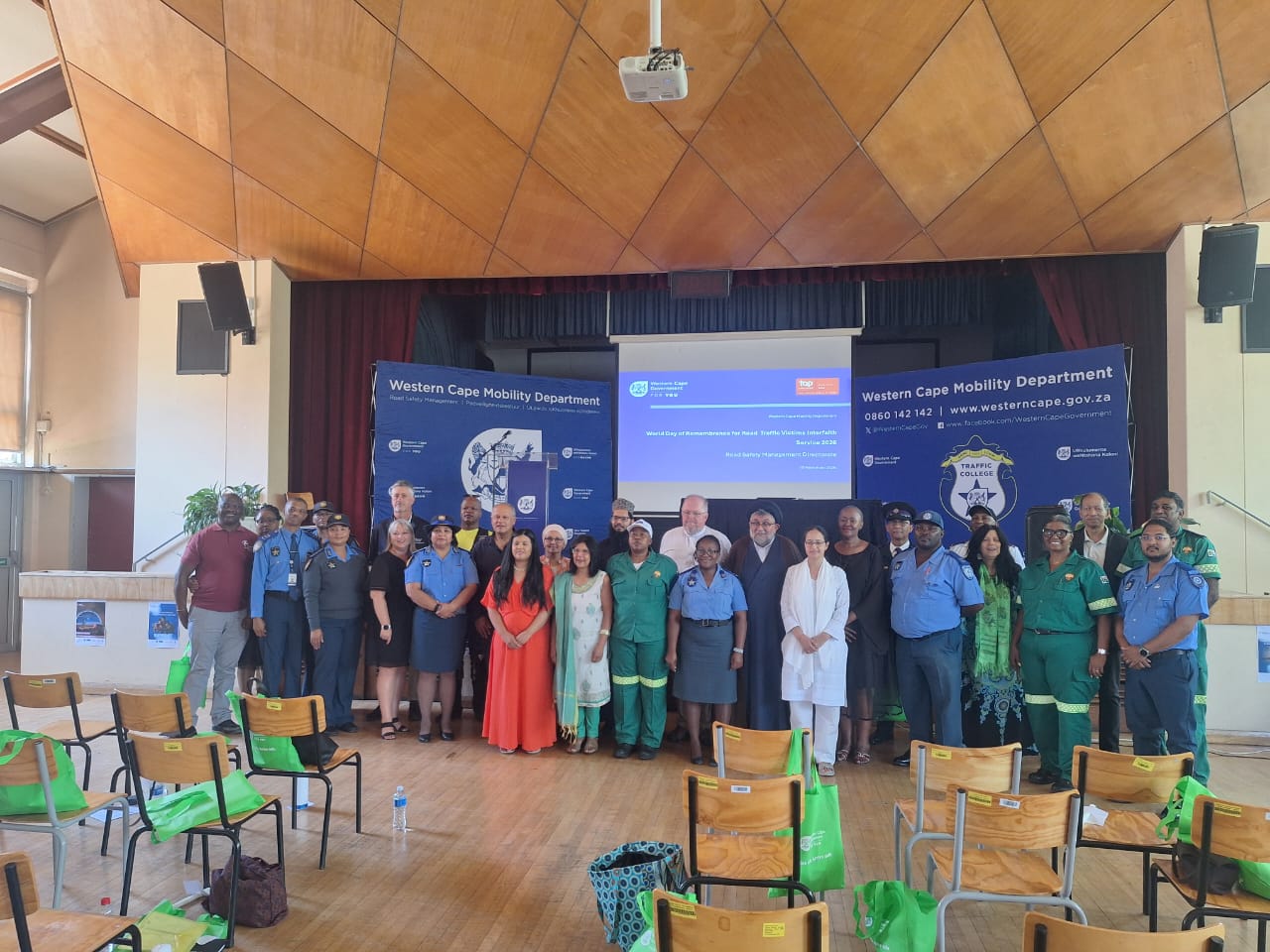
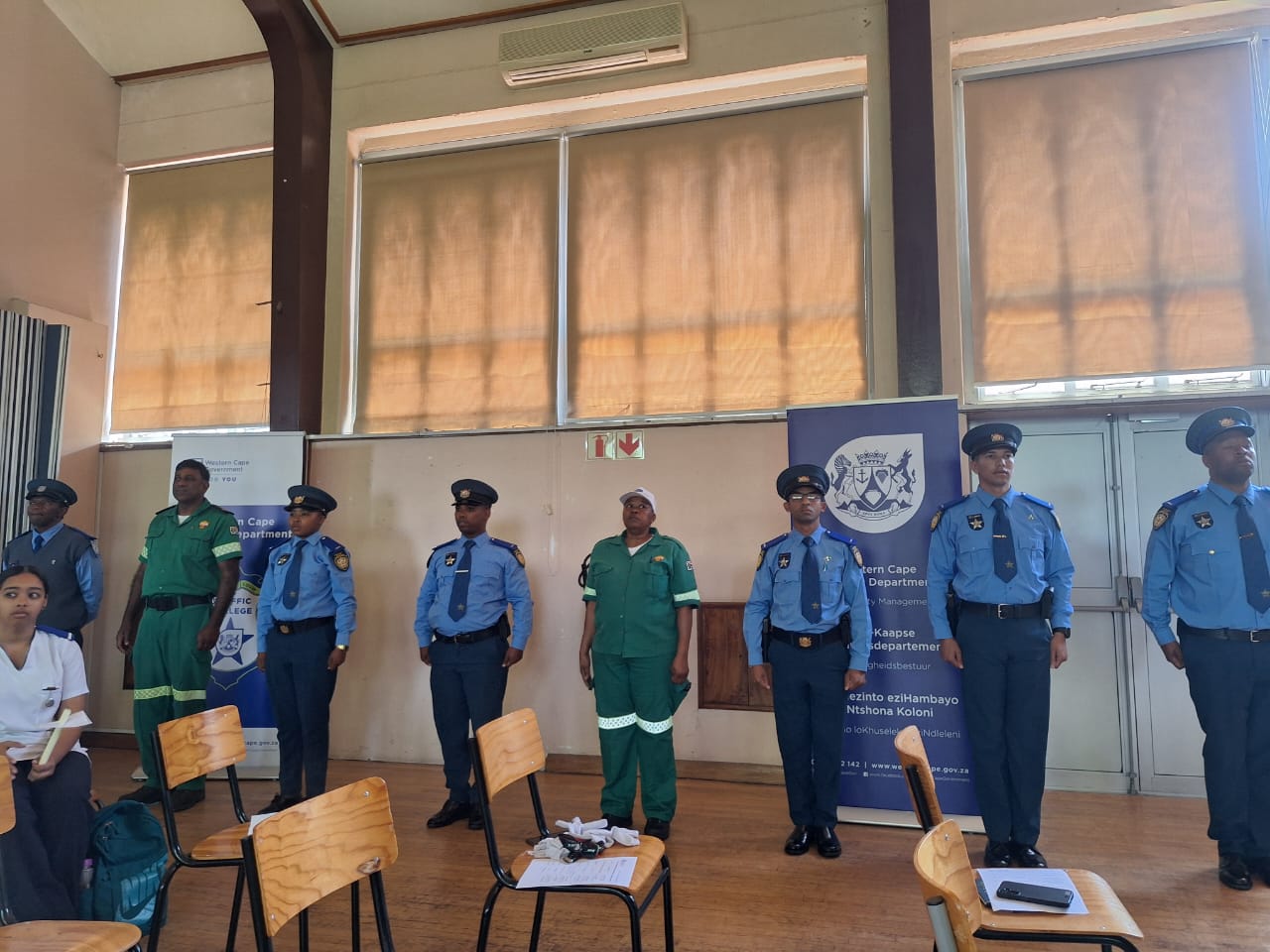
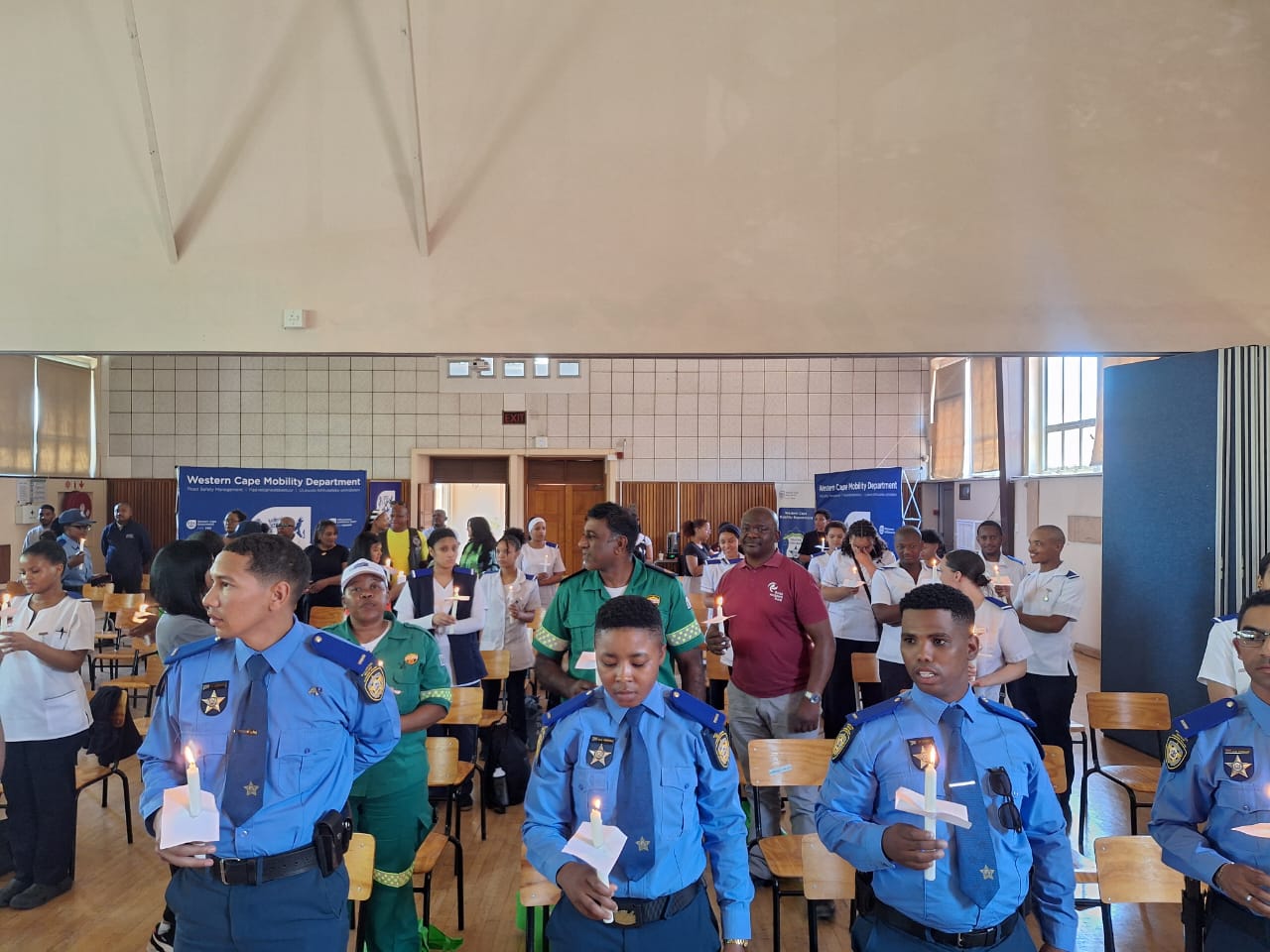
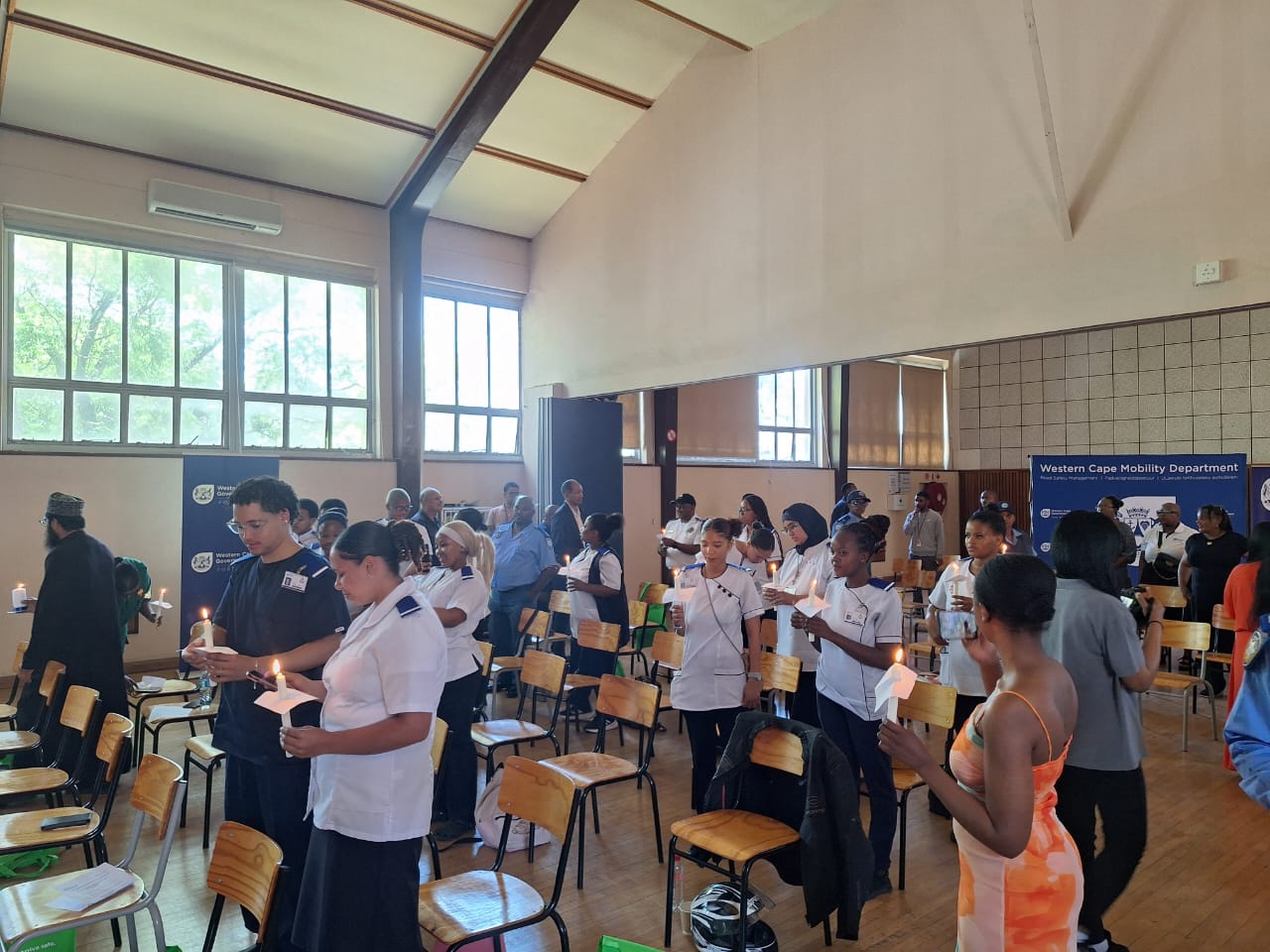
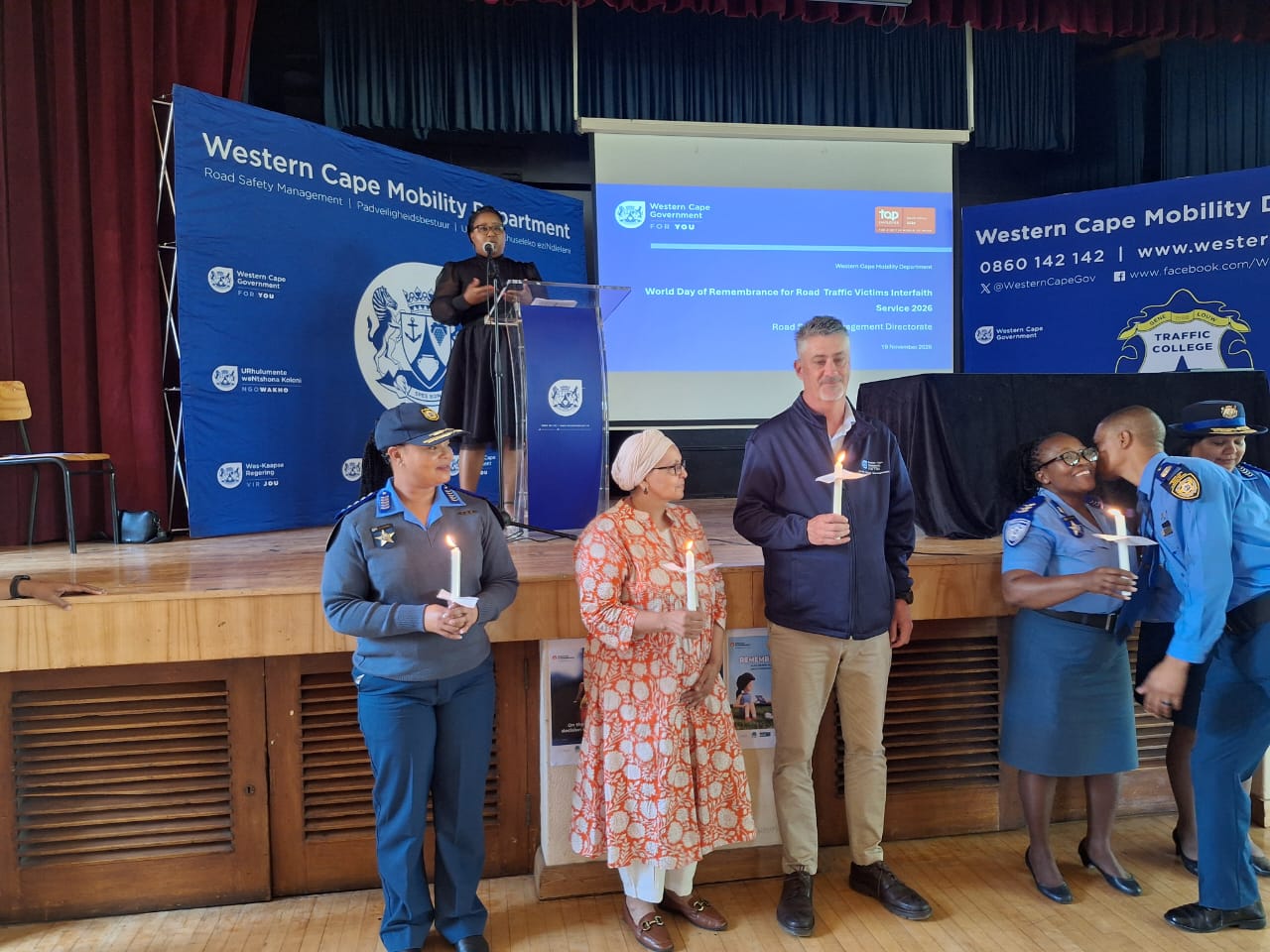
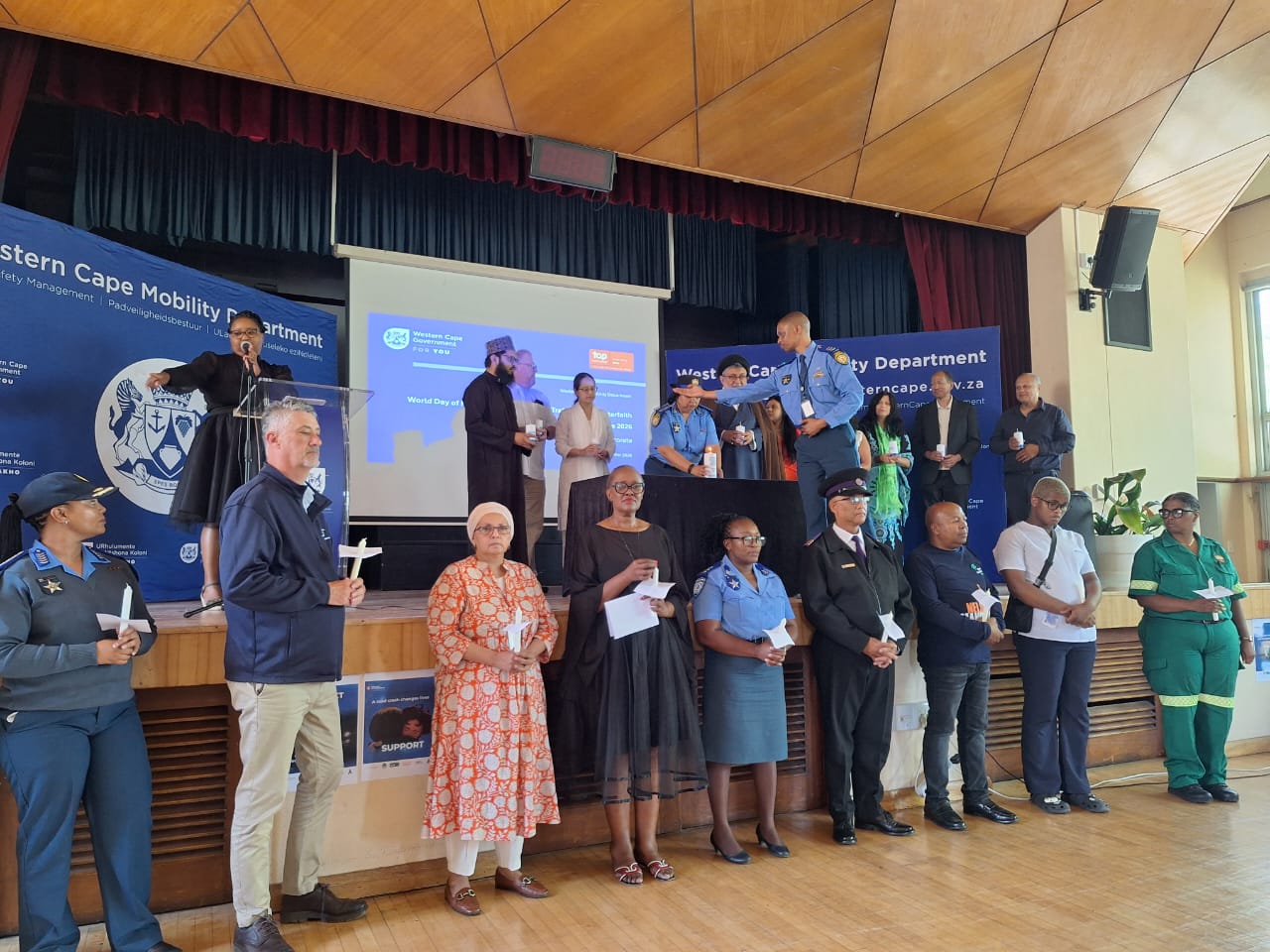
Those were the realities at the heart of the World Day of Remembrance for Road Traffic Victims 2026, where ChildSafe South Africa Executive Director Zaitoon Rabaney joined uniformed traffic officers, emergency medical teams, crash survivors and interfaith leaders at CST Roux Hall at the Western Cape College of Nursing in Athlone on 19 November 2026.
Hosted by the Western Cape Mobility Department’s Road Safety Management Directorate, the gathering centred on three powerful words: Remember. Support. Act.
The annual World Day of Remembrance for Road Traffic Victims reminds us that road crashes are never simply numbers on a report. Every statistic represents a person whose life mattered, a family forever changed, and a community carrying the consequences of loss long after the headlines have faded.
When a Road Crash Changes a Family Forever
In a world where busyness often reduces complex challenges to routine tasks, faith leaders, emergency responders, and public officials invited attendees to pause and reflect on what society has quietly come to accept on our roads.
During the keynote address, the Chief Director of the Western Cape Mobility Department spoke not only as a public servant, but as someone who lost her father in a road crash when she was just eight years old. She spoke candidly about how a single moment on the road permanently altered her family’s trajectory, leaving a mother to raise three young children alone and stealing countless everyday milestones that only become precious once someone is gone.
“Today we remember them not as stats, not as case numbers, not as news headlines, but as sons, daughters, mothers and fathers, husbands and wives, colleagues, friends, and neighbours. Lives that mattered, lives that are still loved, lives that are still missed.” — Keynote Address, Chief Director, Western Cape Mobility Department
The message resonated deeply throughout the service. Road traffic fatalities may be recorded in statistics, but they are experienced in empty seats at family gatherings, missed graduations, absent parents, and conversations that will never happen again.
Why Road Safety Is a Child Protection Issue
For ChildSafe South Africa, road safety is fundamentally a child protection issue.
Unintentional road injuries are not random events or unavoidable misfortunes. They follow predictable patterns. That means they can be prevented.
Across South Africa, children walking to school, crossing busy roads after stepping off public transport, cycling in traffic, or travelling as unrestrained passengers remain among the country’s most vulnerable road users.
“Standing in that hall alongside families who carry permanent loss, and first responders who carry the trauma of crash scenes home with them, reinforces why prevention cannot wait,” says Zaitoon Rabaney, Executive Director of ChildSafe South Africa.”
Every safe crossing, every enforced 30 km/h school zone, and every child buckled into a car seat is a life protected.”
Road safety interventions may seem simple, but their impact is profound. Lower vehicle speeds, safer pedestrian crossings, visible enforcement and the correct use of child restraints can mean the difference between a child arriving home safely and a family facing unimaginable loss.
Children Are Among South Africa’s Most Vulnerable Road Users
Children experience the road environment differently from adults. They are smaller, less visible to drivers, more impulsive in their decision-making, and often required to navigate busy roads on foot.
Many children face daily risks while travelling to and from school, crossing multiple roads, using public transport, or playing in neighbourhoods where traffic moves too quickly.
The burden of road traffic injuries falls particularly heavily on vulnerable communities, where infrastructure may be inadequate, pedestrian facilities limited, and safe transport options unavailable.
Protecting children requires more than individual responsibility. It requires safer roads, safer school zones, safer crossings and communities willing to prioritise children’s safety over speed and convenience.
“The Negligence of Some Becomes the Pain of Others”
The service also shone a light on the quiet courage of crash survivors whose recovery continues long after they leave hospital.
Many live with permanent disabilities, chronic pain, psychological trauma and life-changing limitations that remain invisible to the public. Their stories serve as a powerful reminder that surviving a crash is often the beginning of a lifelong journey.
One of the event’s most compelling testimonies came from a multiple-crash survivor who broke his spine sixteen years ago and continues to manage chronic pain. Having survived subsequent collisions, including being struck by a motorcycle just weeks before the event, he challenged every road user to confront the consequences of complacency.
“The negligence of some becomes the pain of others. Knowledge is not powerful. Knowledge is only powerful when you act upon it. Please do not use your cell phones when you are riding or driving.” — Mufti Sayed Haroon Al Azhari – President of the Cape Town Ulama Board, Crash Survivor,
His words captured one of the event’s central themes: road safety is ultimately measured not by what we know, but by what we do.
The Hidden Toll on First Responders
Alongside survivors and bereaved families, speakers paid tribute to the emergency responders who arrive first on scene.
Emergency call operators, traffic officers, firefighters, paramedics, nurses, doctors and rehabilitation professionals often witness road trauma at its most devastating. While communities see the aftermath, first responders carry those experiences long after a scene has been cleared.
In his address recognising emergency personnel, Director of Road Safety Management Willie van der Merwe commended Western Cape Emergency Medical Services and traffic officers for their dedication and professionalism. At the same time, he highlighted the importance of supporting the mental and emotional wellbeing of frontline personnel who repeatedly encounter trauma in the course of their duties.
Road crashes affect far more people than those directly involved. Families, healthcare professionals, emergency responders and entire communities carry the consequences.
Four Ways to Prevent Road Traffic Injuries
As South Africa approaches the busy festive travel season, honouring those we have lost means turning remembrance into action.
Put Distractions Away Before You Drive Mobile phones, notifications and divided attention have no place behind the wheel. A moment’s distraction can have lifelong consequences.
Slow Down Where Children Walk and Play Respect speed limits and support safer school environments, including 30 km/h school zones and safer pedestrian crossings.
Buckle Every Child on Every Trip Every child should travel in an age-appropriate restraint or seatbelt every time they enter a vehicle, regardless of how short the journey may be.
Drive Sober, Rested and Patiently Never drive under the influence. Ensure vehicles are roadworthy, take regular breaks during long journeys, and allow extra travel time during periods of heavy traffic.
Remember. Support. Act.
The World Day of Remembrance for Road Traffic Victims is about more than honouring those who have been lost. It is about recognising our collective responsibility to prevent future loss of life on our roads.
Road safety does not belong solely to government departments, traffic authorities or emergency services. It belongs to every driver, passenger, cyclist, pedestrian and community.
Every vehicle on our roads carries someone who is loved.
Every road statistic represents a life that mattered.
Because predictable is preventable.
And when we choose to remember, support and act together, we can reduce road traffic injuries, protect vulnerable road users and keep ourselves and our children free from harm.