
JOHANNESBURG, 27 MAY 2026 – Speaking at the pan-African Masana wa Afrika ECD Conference at a Sandton Hotel, ChildSafe South Africa Executive Director Zaitoon Rabaney called for a fundamental shift in how the continent defines and approaches child protection.
Participating as a key panelist on Day 2 of the conference for the session, “Child Safeguarding: Creating safe childhoods together,” Rabaney challenged traditional frameworks, arguing that safety strategies must expand beyond intentional harm to aggressively combat the quiet crisis of childhood injuries.
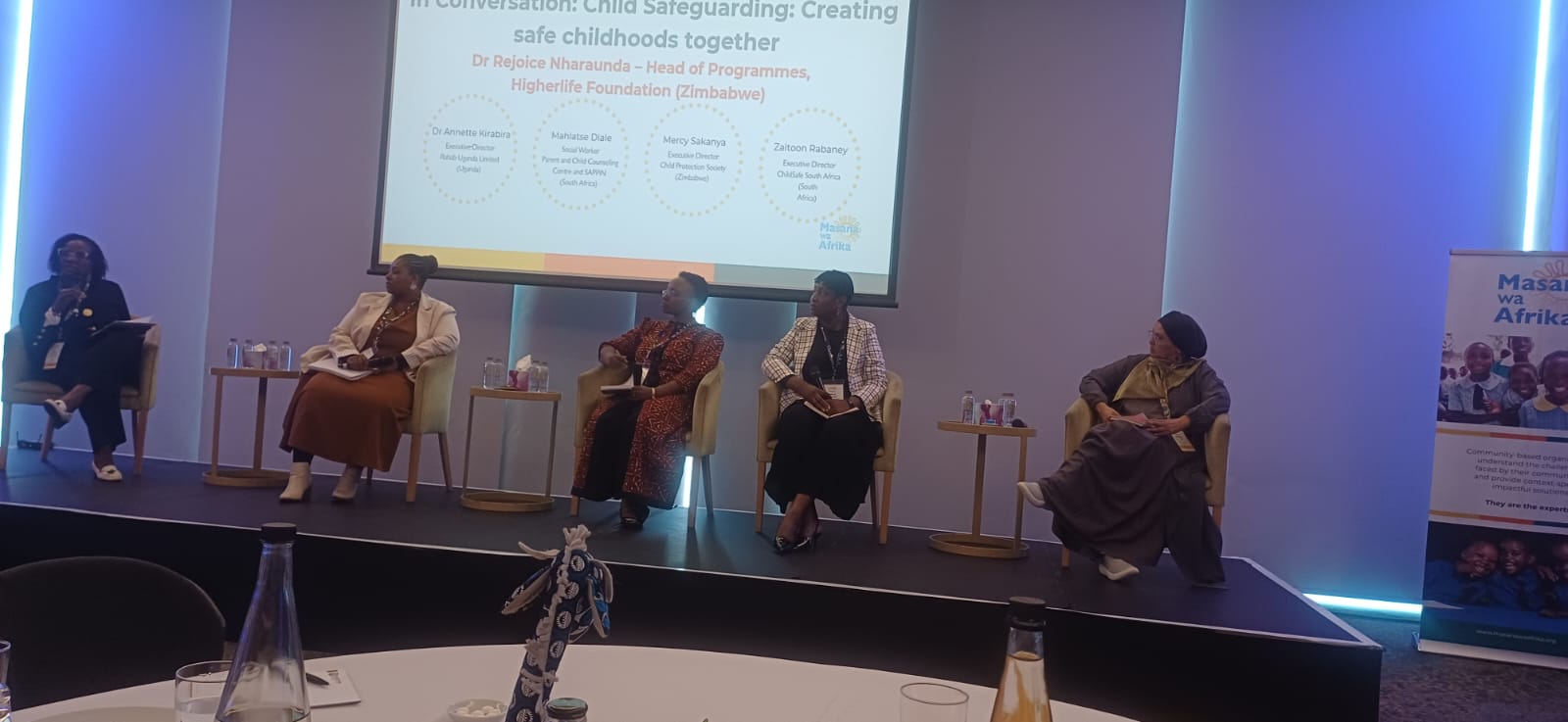
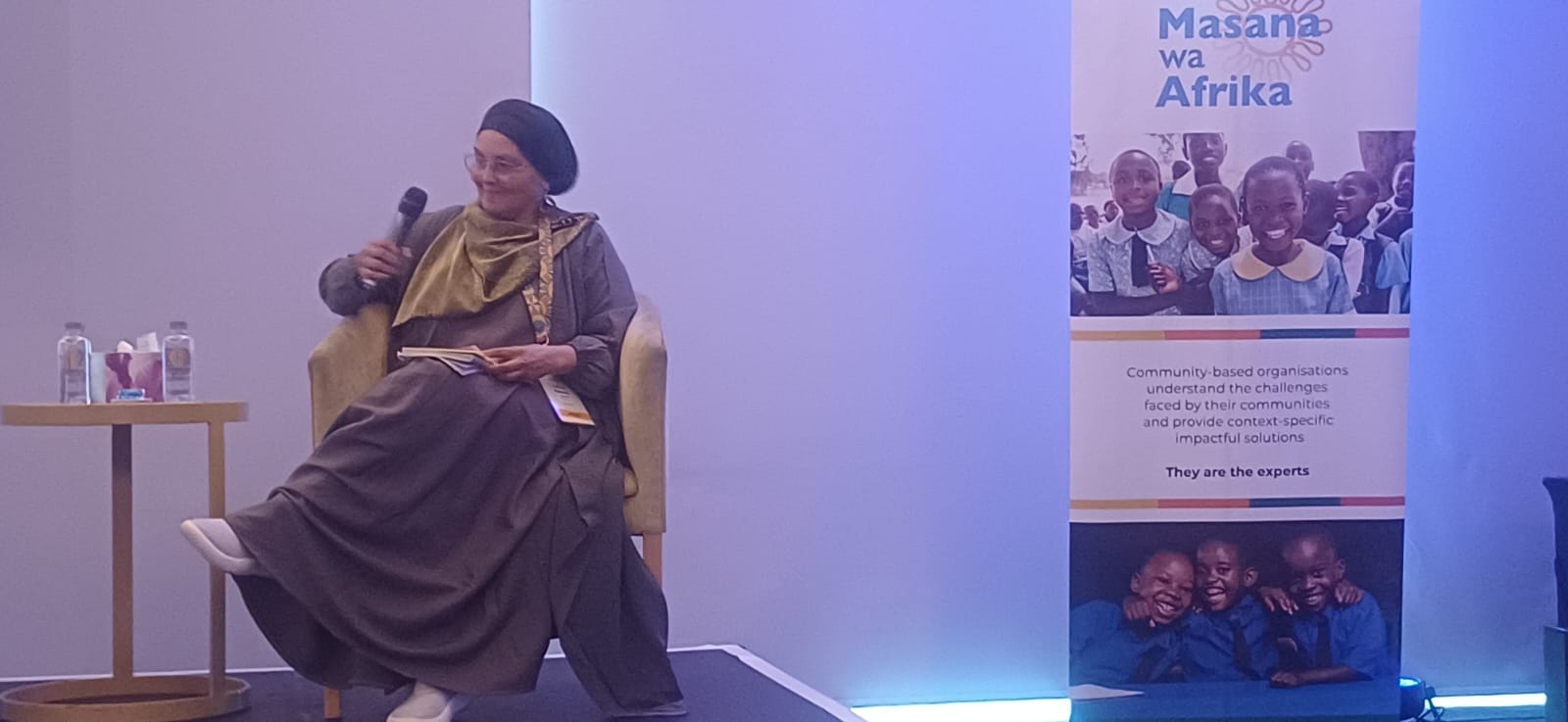
“When we talk about child safeguarding, we often think of abuse and neglect only,” Rabaney stated during the panel discussion. “But I think it’s important that we must also recognize that preventable injuries are one of the biggest threats to children’s safety.”
Acknowledging the severe impact of systemic vulnerabilities across the region, Rabaney noted that stakeholders cannot ignore the “contextual drivers” and “socio-economic determinants” that fuel the high burden of childhood injuries. However, she emphasized that these background factors should not lead to complacency. Instead, she urged delegates to recognize the deeply patterned nature of these incidents to unlock scalable interventions.
“These preventable injury risks, they are predictable,” Rabaney urged. “So, if these risks are predictable, then prevention is possible.”
The core of ChildSafe South Africa’s message to the continental delegation was a strategic imperative to integrate physical environmental safety directly into standard early childhood development and caregiving programs.
“Safeguarding must include injury prevention as a core responsibility within responsive caregiving narratives and conversations,” Rabaney concluded.
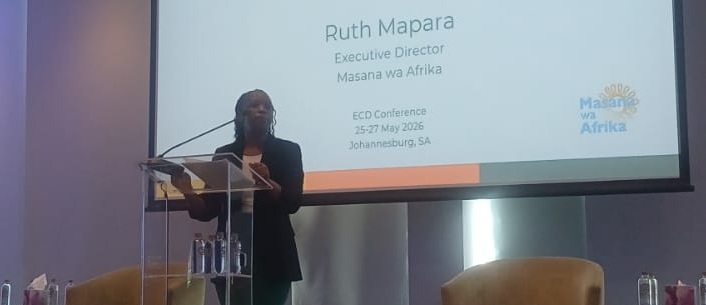
Wrapping up the two-and-a-half-day conference, Masana wa Afrika Executive Director Ruth Mapara delivered a powerful closing address, calling on delegates to view Early Childhood Development (ECD) as the ultimate lever for continental economic transformation.
Addressing civil society leaders, social workers, and development specialists from across the region, Mapara emphasized that investing in the early years is not just a social obligation, but a structural economic imperative that directly combats systemic poverty and long-term unemployment.
“Right from day one, we cannot ignore investment in ECD,” Mapara stated in her closing remarks. “One of the research [pieces] that I came across that always sticks with me is if we are able to build or invest in our children from a very young age, we can reduce unemployment.”
Mapara urged the audience to connect grassroots community programming directly to these larger macroeconomic goals, pointing out that true regional development hinges on addressing these core challenges early.
“That for me speaks a lot to how we can deal with poverty, because I’m sure in our communities, that is the one thing that we constantly come up against in our programming,” Mapara noted. “So if we can be able to invest in ECD to reduce poverty, I’m sure that’s a big, big win for all of our communities.”
Challenging delegates to ensure the gathering leads to actionable change rather than passive attendance, Mapara pressed organizations to immediately integrate their conference takeaways into local programming. She noted that the true value of the regional convening lies in continuous, innovative collaboration.
“What is the one thing that you’re going to be taking back to improve the quality of your programs in your organization?” Mapara challenged. “The whole point of these conferences is for convening… it’s really to collaborate and think through some innovative ways with each other.”
The conference closed with a forward-looking interactive session, where Mapara addressed high-profile delegate questions regarding the future of the sector, including the growing intersection of leadership and community-based organisations (CBOs) to scale organisational growth and enhance local programming to improve the quality of services in African communities.